

Persistent Depressive Disorder (PDD)
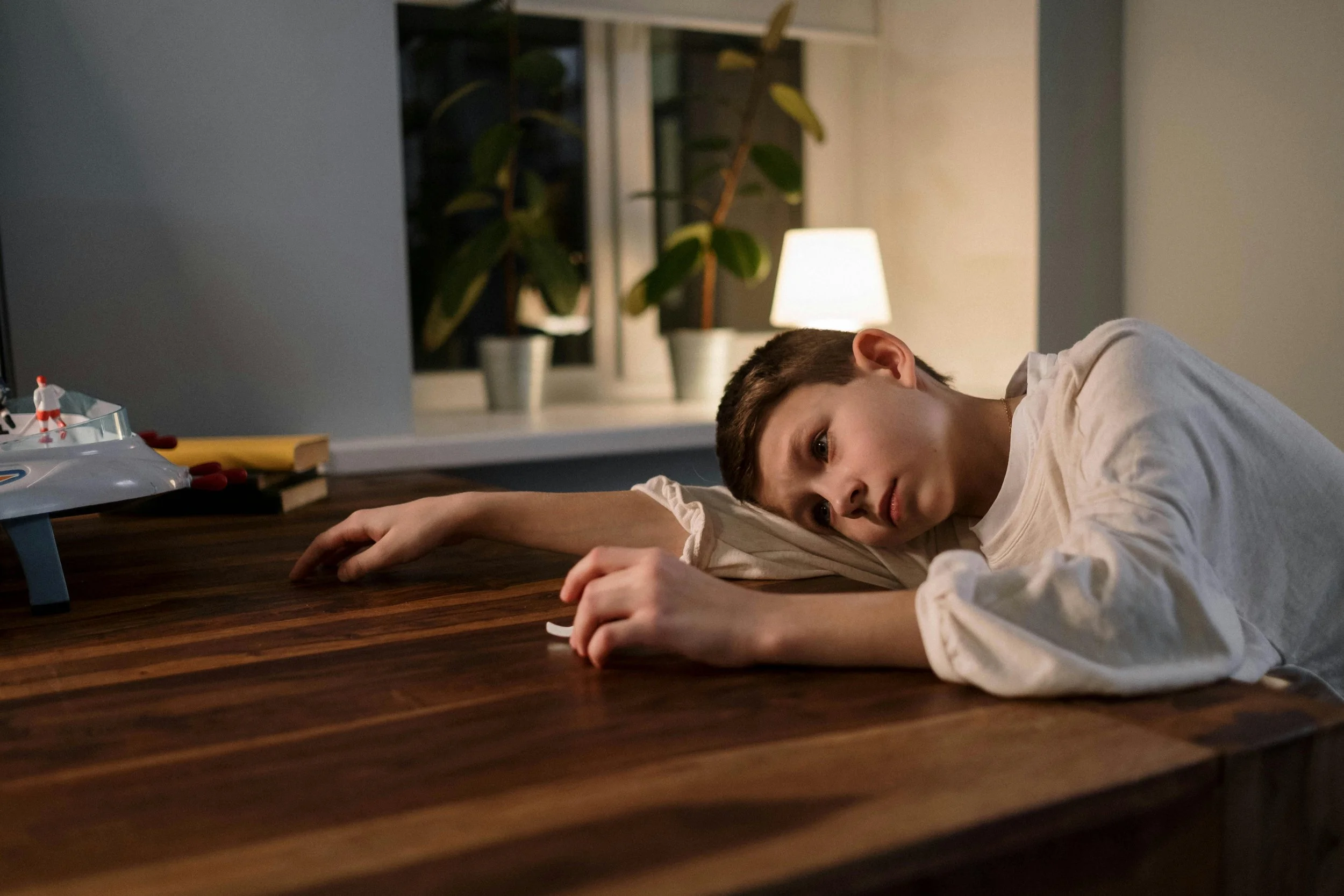
Persistent Depressive Disorder (PDD), also known as dysthymia, is a form of chronic depression that can affect both children and adults. Unlike major depressive disorder, PDD is characterized by long-lasting symptoms that may not be as severe but are more enduring. In children, these symptoms can include irritability, low self-esteem, difficulty in making decisions, and a general sense of hopelessness that persists for at least a year. For parents, it can be challenging to differentiate these symptoms from typical childhood mood swings or adolescent angst. However, recognizing the signs of PDD is crucial, as it can significantly impact a child's academic performance, social interactions, and overall development. When a child is struggling with PDD, they may appear gloomy or uninterested in activities they once enjoyed, and even everyday tasks may seem overwhelming.
Therapy and assessments play a vital role in managing Persistent Depressive Disorder. Early intervention through comprehensive assessments can help identify the specific symptoms and underlying causes of PDD. At Healthy Minds, our therapists work collaboratively with families to develop tailored treatment plans that address each child's unique needs. Therapy can provide children with coping strategies and emotional support, helping them to navigate their feelings and build resilience. Cognitive-behavioral therapy (CBT) is particularly effective in treating PDD, as it helps individuals reframe negative thought patterns and develop healthier emotional responses. For parents, engaging in therapy can offer valuable insights into their child's mental health, equipping them with tools to support their child's journey toward recovery. By working together, families can create a nurturing environment that fosters healing and growth, paving the way for brighter days ahead.