

Selective Mutism
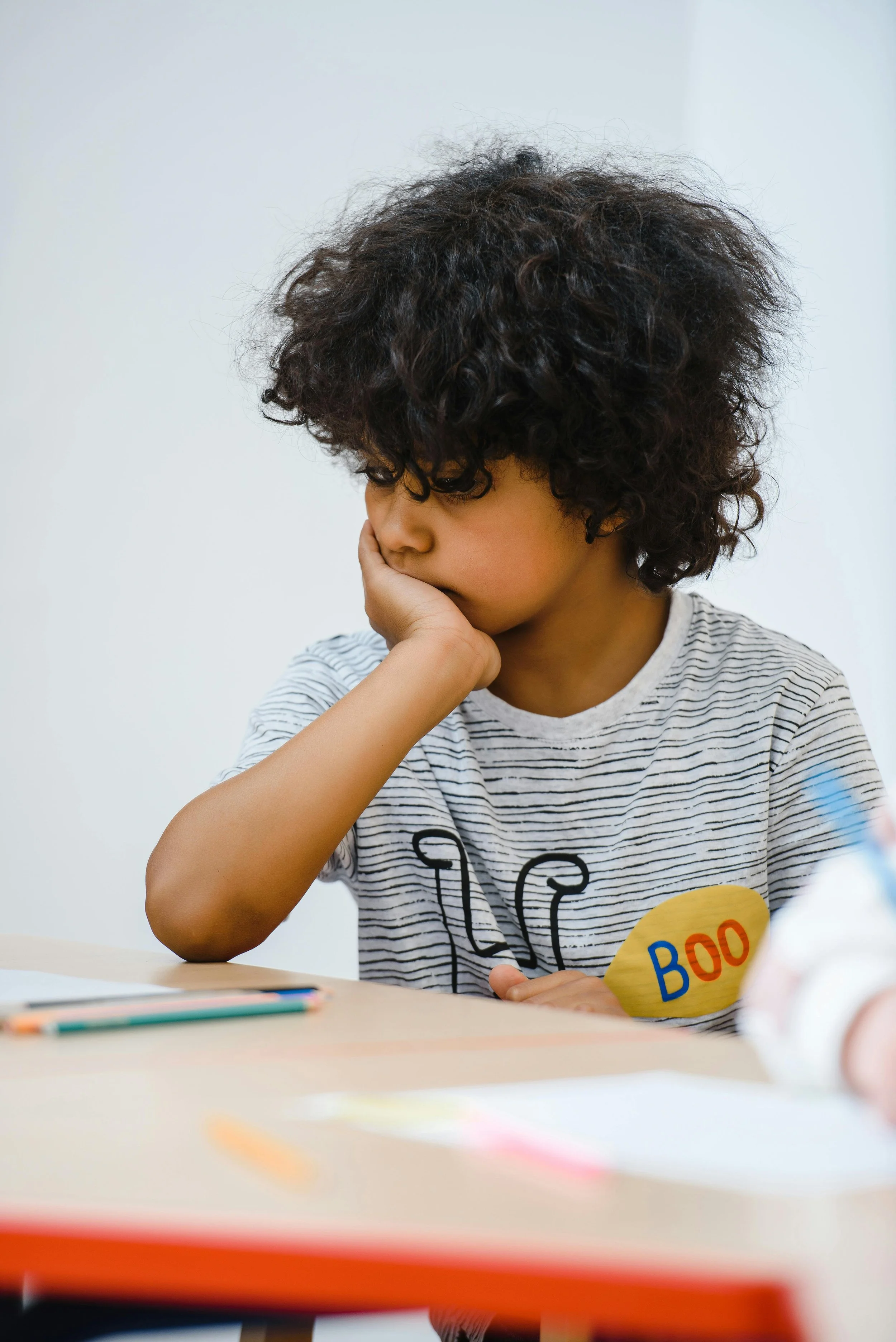
Selective Mutism is an anxiety disorder that predominantly affects children, making it difficult for them to speak in certain social situations, such as at school or during playdates, even though they are capable of speaking comfortably in other settings, like at home with family. It is essential for parents to recognize that this condition is not an act of defiance or shyness, but rather a complex manifestation of anxiety that can significantly impact a child's social and educational development. Children with Selective Mutism often want to communicate but feel unable to do so in particular environments, leading to frustration and misunderstanding.
Therapy and assessments play a crucial role in addressing Selective Mutism. Early intervention, including a comprehensive assessment by a psychologist or speech therapist, can help identify the specific needs and strengths of the child. Treatment typically involves a combination of behavioral therapy, cognitive-behavioral approaches, and family interventions to gradually reduce the child's anxiety and build confidence in speaking. Therapists work closely with parents, teachers, and caregivers to create supportive environments that encourage communication without pressure. By understanding and addressing the underlying anxiety, therapy can empower children with Selective Mutism to express themselves more freely and participate fully in their social and educational lives.